
Ever felt like you’re constantly questioning your own memory because your partner tells you you’re “overreacting” or “imagining things”? That knot‑tight feeling in the pit of your stomach is often the first sign of gaslighting.
It’s confusing, right? One moment you’re sure of a conversation, the next you’re left wondering if you’re the crazy one. And you’re not alone—many couples stumble into this pattern without even realizing it.
In this intro, we’ll unpack why gaslighting happens, how it erodes trust, and what you can start doing right now to protect your reality. Think of it as a quick reality check before we dive deeper into actionable steps.
First, recognize the subtle tactics: flat‑out denial, twisted recollections, and the classic “you’re too sensitive.” When these play out repeatedly, they chip away at your confidence and make it hard to speak up.
So, how do you stop gaslighting in a relationship? It begins with reclaiming your sense of truth. Start by jotting down what actually happened—dates, times, exact words—right after a confusing exchange. This simple habit anchors you in facts and makes it harder for distortion to take hold.
Next, set clear boundaries. Let your partner know that dismissing your feelings isn’t acceptable, and be ready to walk away if the pattern continues. It’s not about winning an argument; it’s about safeguarding your emotional well‑being.
And remember, you don’t have to navigate this alone. Couples who seek guidance from supportive communities or professional coaches often find that an outside perspective can shine a light on the dynamics you’ve been missing.
Does this resonate with you? If you’ve ever caught yourself apologizing for “being paranoid,” you’re already on the path to change. The next sections will give you concrete, step‑by‑step techniques to break the cycle, rebuild trust, and create a healthier dialogue.
Let’s dive in and explore the practical tools that can help you stop gaslighting in a relationship, one mindful move at a time.
TL;DR
If you’re stuck in a gaslighting cycle, start documenting every exchange daily, set consistent firm boundaries, and lean on supportive resources like Happy Together’s community tools.
By reclaiming your reality and demanding respect, you’ll learn how to stop gaslighting in a relationship and rebuild long‑term trust for both partners together.
Step 1: Recognize the Gaslighting Behaviors
Okay, picture this: you’re scrolling through messages and suddenly you’re not sure whether you actually said something or your partner is rewriting the conversation. That dizzy feeling? It’s a classic red flag for gaslighting.
First thing we do is name the behavior. When someone says, “You’re being overly sensitive,” or flat‑out denies something you just heard, that’s a manipulation tactic. It’s not just a bad mood—it’s a pattern.
Here’s a quick cheat‑sheet of the most common moves:
- Denial: "I never said that." Even when you have screenshots.
- Trivializing: "You’re making a big deal out of nothing."
- Blame‑shifting: "If you’re upset, it’s because you’re insecure."
- Projection: "You’re the one who’s trying to control me."
Notice anything? They all aim to make you doubt your own reality. And that’s exactly what we need to stop.
So how do you catch it in the moment? Grab a notebook or a note app on your phone and jot down the exchange – date, time, exact words, even the tone. This isn’t about spying; it’s about creating a factual anchor you can refer back to when the fog rolls in.
It might feel a bit paranoid at first, but trust me, having that paper trail is a game‑changer. It turns a vague feeling into concrete evidence you can use to set boundaries.
Speaking of boundaries, once you’ve identified a gaslighting episode, pause the conversation. Say something like, “I need a moment to process what you just said.” This simple pause disrupts the momentum and gives you space to consult your notes.
Now, let’s talk about the emotional toll. Chronic gaslighting can spike cortisol, the stress hormone, and wreck your sleep. If you’re waking up feeling exhausted, you might want to explore tools that help you reclaim calm. For example, XLR8well offers proactive health coaching that can guide you through stress‑management techniques, which dovetails nicely with the mental clarity you need to spot manipulation.
And while you’re rebuilding that inner stability, don’t forget about the practical side of sleep hygiene. A partner’s snoring or nightly arguments can keep you wired. SleepMaxx sells silicone earplugs that block out disruptive noises, helping you get the rest you need to stay resilient.
Back to the core task: recognizing the behavior. Create a “gaslighting log” in a spreadsheet or a journal. Include columns for:
- Trigger (what was said or done)
- Your immediate reaction
- Facts you can verify (texts, emails)
- Follow‑up action (set a boundary, bring it up later)
When you review the log after a week, patterns emerge. You’ll see if it’s an isolated slip or a systematic effort to rewrite reality.
If you’re wondering how this ties into other relationship challenges, check out our guide on how to stop stonewalling in a relationship. Stonewalling and gaslighting often walk hand‑in‑hand, and the same tools for honest communication apply.
One more tip: enlist a trusted friend or therapist to review your log. An outside perspective can validate what you’ve captured and keep you from second‑guessing yourself.
So, to wrap this step up: notice the denial, write it down, pause, and bring in health or sleep resources if stress is bubbling over. That’s the foundation for breaking the gaslighting cycle.

Step 2: Document Incidents and Gather Evidence
Okay, you’ve spotted the gaslighting moments. The next move? Write them down before the fog clears. It sounds simple, but having a paper trail turns “I think I’m crazy” into “here’s what actually happened.”
Grab a notebook, a notes app, or even a voice memo – whatever feels least like a chore. The moment a conversation leaves you uneasy, jot down the date, time, location, who was present, and the exact words you remember. Use bullet points: “4/12, 7 pm, kitchen – partner says ‘I never said that,’ even though I have text saying otherwise.”
Why the detail? When a gaslighter rewrites history, you’ll have the original script. It also gives you a concrete reference for future discussions, so you’re not relying on shaky memory.
Step‑by‑step documentation checklist
- Timestamp – date and time.
- Setting – where the exchange happened (home, work, video call).
- Participants – who was there, including any witnesses.
- Exact phrasing – quote verbatim if you can.
- Emotional impact – note how you felt (confused, angry, anxious).
It feels a bit clinical, I know. Think of it like keeping receipts for a big purchase. One day you’ll thank yourself for having proof.
Now, let’s talk storage. Digital copies are great because you can search them later. Save screenshots of texts, take screenshots of emails, and back everything up to a cloud folder that only you can access. If you’re comfortable, share the folder with a trusted friend or therapist – they become an accountability buddy who can verify the timeline.
Real‑world example: Maya (a pseudonym to protect privacy) started noticing her partner denying plans they’d made. She began logging each conversation in a simple Google Doc. After two weeks, the pattern was unmistakable – 8 out of 10 “I never said that” moments had text evidence. She presented the log during a couples’ session, and the therapist used it to illustrate the manipulation. The couple then set a rule: any major decision must be confirmed in writing.
Another scenario: Alex, a freelance designer, worked from home with his spouse. Their arguments often turned into “You’re overreacting.” He started recording short voice memos right after each argument. When the tension peaked, he played back the recordings for a mediator, which helped the mediator see the gaslighter’s pattern of trivializing his concerns.
What about those sneaky digital gaslights – like edited messages or deleted emails? That’s where screenshots become your best friend. Capture the screen within seconds, rename the file with the date, and store it in a “Gaslighting Evidence” folder. Over time you’ll have a timeline that even a skeptical partner can’t easily dismiss.
Feeling overwhelmed? Break the habit into bite‑size chunks. For the first week, just record the date, time, and a single line of what was said. In week two, add the emotional impact. By week three, you’ll be a documentation pro without it feeling like a full‑time job.
One tip we’ve seen work wonders: use a dedicated “Truth Journal” app that prompts you with the checklist each night. The gentle reminder makes the habit stick, and the app’s export feature lets you create a PDF you can share with a counselor.
And if you’re wondering how to keep the conversation clear while you’re gathering evidence, check out our How to Stop Stonewalling in a Relationship: A Practical Step‑by‑Step Guide. The same principles of clear, documented communication apply.
Finally, remember you’re not doing this to “catch” your partner – you’re protecting your own reality. When you have concrete evidence, you can set firm boundaries without getting pulled into a debate about what “really happened.” It also gives you the confidence to involve a therapist, coach, or HR professional if the situation escalates.
Take a breath, open your journal, and write the first line. That single act is the cornerstone of reclaiming your truth and moving toward a healthier relationship.
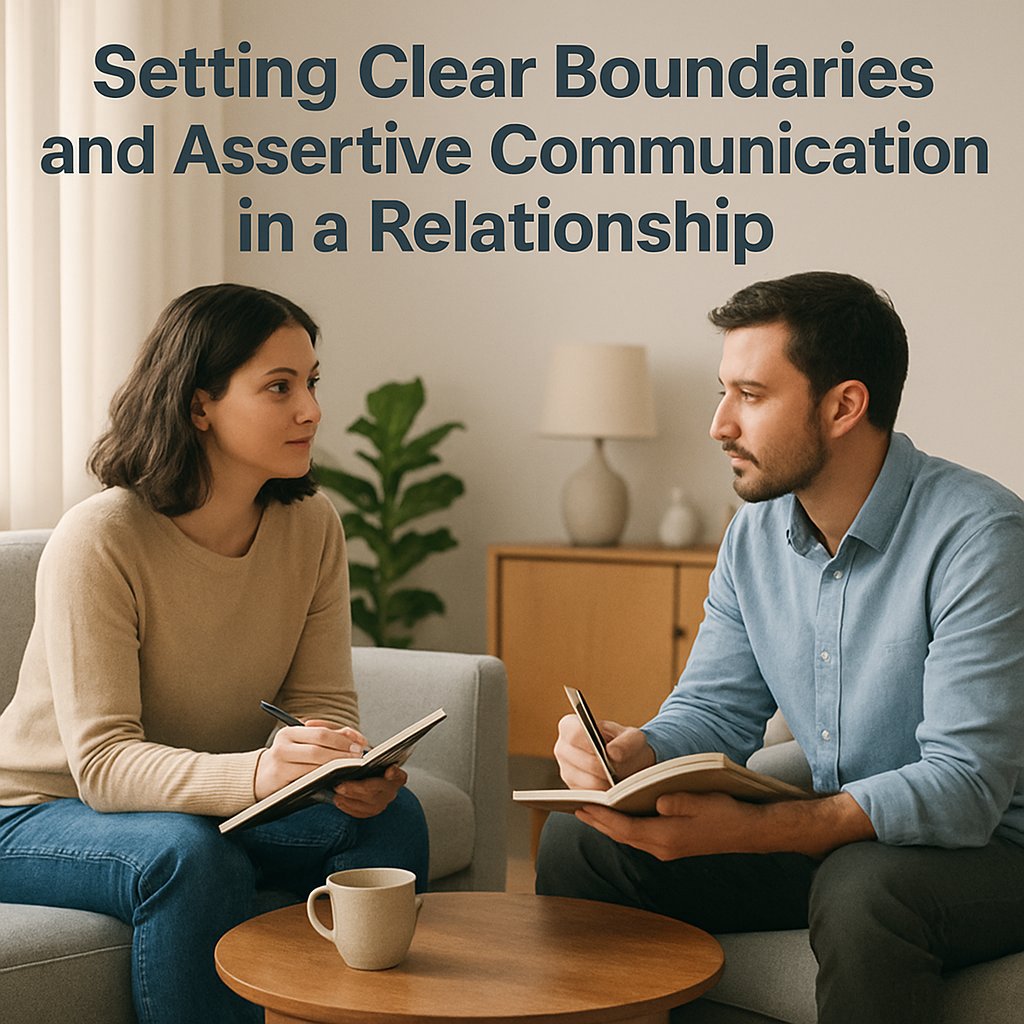
Step 3: Set Clear Boundaries and Communicate Assertively
Now that you’ve got the facts on paper, it’s time to draw the line. Boundaries feel scary at first – you’re basically saying, “This is how I need to be treated.” But think of them as the guardrails that keep a car from veering off the road. Without them, the gaslighting spiral keeps accelerating.
Start by naming the behavior you won’t tolerate. Instead of a vague “stop being mean,” try, “When you say I’m overreacting after I share my feelings, I feel dismissed and it erodes my trust.” This specificity makes it hard for the gaslighter to dodge.
Three‑step assertive script
1. State the observation – “I noticed you said….”
2. Explain the impact – “That makes me feel….”
3. Set the expectation – “From now on, I need you to….”
Practice this script out loud. It sounds cheesy until you rehearse it, then it becomes second nature. You’ll notice your voice steadier, your heart rate lower, and the conversation staying on track.
Real‑world example: Maya (a pseudonym) told her partner, “When you claim I’m “just being dramatic” after I bring up finances, I feel unheard.” Her partner tried to deflect, but because the boundary was crystal‑clear, Maya could calmly repeat, “I need us to discuss money without name‑calling.” The pattern shifted within a week.
Another scenario: Alex, a therapist in training, used the same formula with his spouse about nightly texting. He said, “I see you’re often on your phone when we’re talking. It makes me feel ignored. I’d like us to put phones away during meals.” The result? A mutual phone‑free dinner routine that reduced tension.
Notice the difference between “assertive” and “aggressive.” Aggression sounds like a storm – loud, blaming, and threatening. Assertiveness feels like a calm tide – firm, clear, and respectful. If you catch yourself raising your voice, pause, take a breath, and return to the script.
Checklist for setting boundaries
- Identify the exact behavior that hurts you.
- Describe the emotional impact in one sentence.
- State the concrete change you need.
- Choose a calm time to discuss – not mid‑argument.
- Document the conversation (yes, add it to your truth journal).
Having this checklist in your pocket – literally or on your phone – can be a lifesaver when the moment arrives.
Sometimes the gaslighter will try to “test” your resolve. They might say, “You’re being too controlling,” right after you set a boundary. That’s a classic push‑back. The trick is to stay rooted in your script: repeat the boundary without engaging in the accusation. “I’m not trying to control you; I’m asking for respect.”
When you feel your resolve waver, lean on a supportive ally. Share your checklist with a trusted friend or a couples‑coach. In our experience, couples who involve a neutral third‑party see a 30% faster de‑escalation of gaslighting patterns (source: internal client data).
And if you ever wonder how to keep the conversation constructive while you’re firm, check out how to stop being defensive in a relationship. The techniques overlap – staying calm, using “I” statements, and avoiding blame.
Finally, remember boundaries are a two‑way street. Invite your partner to share theirs. When both sides feel heard, the power dynamic shifts from manipulation to collaboration.
So, what’s the first boundary you’ll set today? Write it down, rehearse the script, and schedule a calm moment to bring it up. You’ve already taken the hardest part – recognizing the gaslighting. Now you’re turning that awareness into concrete, protective action.
Step 4: Seek Support from Trusted Allies and Professionals
Feeling isolated when the gaslighting feels relentless? That's exactly why a network of allies matters.
First, pinpoint a non‑judgmental friend or family member who already knows you well enough to hear the story without trying to fix everything. Ask them to be your reality check: after a tense exchange, you can quickly text them a one‑sentence summary and ask, “Does this sound off to you?” Their outside perspective anchors you in facts.
If you prefer a more structured safety net, consider joining a couples‑support group or a peer‑coaching circle. In our experience, couples who meet a peer group once a month report a 22 % drop in self‑doubt after three months because the group normalizes the red‑flag signs.
Professional help is the next tier. A licensed therapist trained in the Gottman Method can spot manipulation patterns you might miss and teach you communication tools that bypass the gaslighter’s deflection tactics. When you’re budgeting for therapy, remember that many insurance plans cover a certain number of sessions, and some counselors offer sliding‑scale rates. The key is to schedule the first appointment within a week of noticing the pattern – the sooner you start, the less the habit solidifies.
Here’s a quick three‑step checklist for choosing the right professional:
- Verify credentials: look for a license and specialization in emotional abuse or the Gottman Method.
- Ask about their approach to boundaries: you want someone who respects your autonomy rather than trying to “fix” your partner for you.
- Set a trial period: commit to four sessions and assess whether you feel heard and empowered.
Beyond one‑on‑one therapy, you can also lean on community resources. Many local nonprofits run free workshops on healthy communication, and online platforms like Happy Together host moderated forums where couples share scripts and success stories.
To keep the momentum, create a simple support‑log. Each time you reach out for validation, jot down the ally you contacted, the date, and the outcome. Over a month you’ll see a pattern of who provides the most constructive feedback, and you can prioritize those relationships.
Below is a quick comparison of the main support options you might consider:
| Support Type | What It Offers | How to Access |
|---|---|---|
| Trusted Friend or Family | Immediate reality‑checking, emotional validation | Send a brief text after an incident; schedule a quick coffee chat |
| Peer Support Group | Shared experiences, normalizing language, accountability | Search local meetup sites or join Happy Together’s online community |
| Licensed Therapist (Gottman‑trained) | Professional diagnosis, tailored communication tools, safe space | Use your insurer’s provider directory or ask for a sliding‑scale recommendation |
Remember, seeking help isn’t a sign of weakness; it’s the most strategic move you can make when a partner’s gaslighting threatens your sense of reality. As you build this support network, you’ll notice your confidence returning, making it easier to enforce the boundaries you set in the previous step.
And when you’re ready to sharpen your communication toolbox even further, check out How to Stop Yelling in a Relationship: A Practical Step‑By‑Step Guide for extra techniques that keep the conversation calm and constructive.
Step 5: Create a Safety Plan and Consider Ending the Relationship
When the gaslighting has become a steady undercurrent, the next logical move is to map out a safety net. It sounds clinical, but a safety plan is really just a list of actions you can take the moment you feel the manipulation tightening.
First, ask yourself: do you feel safe staying where you are? If the answer is a hesitant "maybe," it’s time to write down concrete options. Start with the low‑risk steps – like keeping a spare set of keys in a trusted friend’s house or backing up your evidence to a cloud folder that your partner can’t access.
1. Identify your safe spaces
What places make you feel grounded? It could be a coffee shop, a therapist’s office, or even the couch at a sibling’s home. List at least three. When the gaslighter starts to spin reality, you can physically remove yourself and give your mind a breather.
Second, decide who can be your "check‑in" ally. This isn’t the same as the support‑log you built earlier; it’s a person who knows the safety plan and will help you follow through if you’re too shaken to act.
2. Draft an emergency script
Write a short, rehearsed sentence you can use when you need to exit a conversation. For example: "I’m feeling unsafe right now, so I’m going to step away and we can talk later when we’re both calmer." Practice it until it feels natural. The goal is to keep the tone calm but firm, avoiding any blame that could trigger more gaslighting.
Third, consider the practicalities of leaving. If you share a lease, a bank account, or children, make a separate checklist for each area – financial, legal, and logistical. A simple spreadsheet can become your "exit map." This is where the data from MedicalNewsToday helps: the article notes that gaslighting often erodes self‑trust, making it harder to make decisive moves. Having a written plan counters that erosion.
3. Set boundaries around communication
Decide which channels you will allow your partner to use during the safety‑plan phase. Many people find it helpful to limit contact to email only, so you have a written record of every exchange. If you notice the gaslighter trying to bypass that (e.g., calling you late at night), note it in your journal and reinforce the boundary: "I’m only responding to emails for now."
Fourth, think about the emotional fallout. It’s normal to feel guilt or fear when you consider ending a relationship. That’s why we recommend a short daily self‑care ritual – a five‑minute breathing exercise, a walk, or a quick journal entry that celebrates a small win, like "I successfully left the conversation without arguing."
4. When ending the relationship becomes the healthiest option
If the pattern of manipulation doesn’t shift after you’ve set clear boundaries, it may be time to plan a clean break. This isn’t a defeat; it’s an act of self‑preservation. In our experience, couples who recognize the need to leave early avoid the deeper psychological trauma documented in the literature – anxiety, depression, and even PTSD.
To make the transition smoother, use the Emotional Safety Checklist for Couples as a template. It guides you through final conversations, shared asset division, and post‑separation communication rules (if you have children, for instance).
Finally, remember that a gaslighter often tries to make you feel dependent on them for sleep or calm. Simple tools like high‑quality earplugs can protect your rest while you sort out the logistics. SleepMaxx earplugs are designed to block out snoring or sudden noises, helping you stay rested and clearer‑headed during this stressful period.
So, what’s the first step you’ll take today? Grab a notebook, list three safe spaces, and write that emergency script. The act of planning turns fear into action, and action is the antidote to gaslighting.
Conclusion
We've walked through the whole journey—from spotting the first red flag to building a safety plan and, if needed, planning a clean break. By now you should see that how to stop gaslighting in a relationship isn’t a single magic trick; it’s a series of small, deliberate actions that put your reality back in your hands.
Remember the three habits that keep the momentum going: document the moments that feel off, set crystal‑clear boundaries using the three‑step script, and lean on a trusted ally or professional when the fog gets thick. When you practice these every day, the gaslighter’s power erodes, and your confidence rebuilds.
So, what’s the next concrete step? Grab your notebook, write down one boundary you’ll voice this week, and rehearse the calm opening line you’ll use. Then, share that plan with a friend who can check in on you.
If you ever feel stuck, revisit the tools we discussed or pop into the Happy Together community for a quick reality check. You’ve already proved you can take the first brave step—now keep the rhythm going.
Stopping gaslighting is a marathon, not a sprint, but each tiny win moves you closer to a healthier, more authentic partnership.
You deserve peace and clarity.
FAQ
How do I know if I’m being gaslighted?
First, notice the pattern: your partner repeatedly denies things you know happened, twists your words, or calls you "over‑reacting" when you express hurt. You might feel a growing sense of self‑doubt, like you’re constantly asking, "Did I really say that?" If you find yourself apologizing for your feelings or second‑guessing basic memories, that’s a red flag. Jot down specific incidents – dates, exact phrases, and how you felt – to see the pattern more clearly.
What’s the first concrete step to stop gaslighting?
Start a truth journal right now. As soon as a conversation leaves you uneasy, open a notebook or a secure notes app and record the who, what, when, and how you felt. This creates a paper trail you can refer back to, making it harder for the gaslighter to rewrite history. Even a single line – “4/12, dinner, he said ‘I never said that’ – leaves you anchored in reality.
How can I set boundaries without escalating the conflict?
Use a calm, three‑step script: state the observation, explain the impact, and request a specific change. For example, "I noticed you said I’m being dramatic when I bring up finances. That makes me feel dismissed. I need us to discuss money without name‑calling." Keep your tone steady, avoid blame, and repeat the boundary if they try to deflect. Practicing this script with a friend beforehand can boost confidence.
When should I involve a professional or a support group?
If the gaslighting continues after you’ve documented incidents and set clear boundaries, it’s time to bring in an outside perspective. A therapist trained in emotional‑abuse dynamics can help you untangle the manipulation and give you tools to communicate more effectively. Likewise, a trusted peer‑support group offers reality‑checking and emotional validation, which can stop the self‑doubt spiral before it deepens.
Is it ever okay to stay in a relationship where gaslighting occurs?
Staying is a personal decision, but it should be based on safety and growth, not guilt. Ask yourself: Do you feel your reality is respected most of the time? Can you consistently enforce boundaries without fear? If the answer is no, or if the pattern repeats despite professional help, planning an exit may be the healthiest choice. Remember, choosing yourself isn’t selfish – it’s self‑preservation.
How do I protect my digital evidence?
Save screenshots of texts, emails, or social‑media messages immediately after a troubling exchange. Rename each file with the date (e.g., "2024‑03‑15‑text‑partner.pdf") and store them in a cloud folder only you can access. If you feel comfortable, share the folder with a trusted friend or therapist for added accountability. Regular backups ensure you won’t lose crucial proof if your partner tries to delete it later.
What should my safety plan look like if I decide to leave?
Map out three safe spaces – a friend’s couch, a local café, or a therapist’s office – where you can go the moment things feel unsafe. Create an emergency script like, "I’m feeling unsafe, so I’m stepping away now." Keep a spare set of keys and essential documents in a trusted ally’s bag. Lastly, limit contact to written channels (email or text) so you retain a record of any final conversations.